How Fire, Food, and Creation Rhythms Sustain the Body When Sunlight Fades
In northern climates like New Hampshire, winter brings long nights, short days, and an important biological reality: Your skin produces zero vitamin D for several months — even on bright days. This is not a modern problem. Ancient peoples lived through these same seasonal rhythms long before supplements existed. Yet they thrived — physically, spiritually, and communally through a combination of:
- Specific winter foods rich in fat-soluble nutrients
- Daily life centered around firelight and warmth
- Circadian rhythms aligned with creation
- Biblical dietary principles that reflect biological truth
This articles explores how we can reclaim that wisdom today using natural, ancestral methods that treat the body as a temple and honor God's design.
Why Fire is Important
Unlike sunlight and human skin, fire does not stimulate vitamin D synthesis.Human skin produces vitamin D when exposed to UV-B radiation (~290-315 nm). Because UV-B does not penetrate the Earth's atmosphere at New Hampshire, and other northern areas latitude in winter, you can spend all day outside and still produce zero vitamin D from your skin. For New Hampshire specifically this is around October to late March.
But that doesn't mean fire is irrelevant. In fact, our ancestors depended on fire for three major winter survival functions:
Thyroid & Metabolic Support
Cold suppresses thyroid function, while infrared heat from fire raises our core temperature. In addition, it reduces cortisol and supports proper hormone conversion. This makes the body far more effective at using the vitamin D it already has.
Mitochondrial Repair Through Infrared Light
Mitochondria are tiny structures inside most of our body's cells that act like miniature power plants, turning the food you eat and the oxygen you breathe into usable energy known as ATP (adenosine triphosphate), the cell's "energy currency". They are essential because almost every process in your body like thinking, moving, pumping blood, digesting, depends on the energy that mitochondria supply. Wood fires produce near-infrared wavelengths similar to modern red-light therapy which in-turn produces: more cell energy (ATP), less inflammation, and faster recovery.
Circadian Healing
Human circadian rhythm is the body's internal 24-hour clock that helps control when you feel awake, sleepy, hungry, and how your hormones, body temperature, and many other functions change across the day and night. It keeps your internal schedule aligned with the outside world, mainly using light and darkness as signals. In humans, the "master clock" sits in a tiny region of the brain called the suprachiasmatic nucleus (SCN) within the hypothalamus. This clock generates roughly 24-hour cycles in many processes such as sleep-wake timing, hormone release (like melatonin and cortisol), body temperature, digestion, and alertness. Melatonin is a hormone that helps signal to your body that it's nighttime and time to prepare for sleep. It rises in the evening in response to darkness and falls in the morning with light exposure. It is essentially a "chemical messenger" made mainly by the pineal gland, a small gland deep in the brain. Melatonin is produced from the neurotransmitter serotonin and then released into the bloodstream, especially during the dark hours of the night.
Screens and other bright artificial lights in the evening slow or shut down your body's natural release of melatonin, which makes it harder to get sleepy and shifts your internal clock later. The main issue is the strong "blue" component of LED and screen light, which the brain reads as daytime.
Firelight contains almost zero blue light, which means it encourages strong melatonin release, deeper winter sleep, and stable mood and immunity. Humans evolved to spend winter evenings near a hearth, not under LED bulbs.
What Scripture Teaches About Winter Eating
The Bible repeatedly emphasizes many aspects of what modern nutritional science confirms.
| Biblical Principle |
Modern Nutritional Science Connection |
| Fat as the Honoring Portion |
Animal fats contain essential fat-soluble nutrients (A, D, K2) needed for immunity, bone health, hormone balance, and winter survival. Fat also improves absorption of these vitamins. |
| Organ Meats (Especially Liver) |
Liver is the most nutrient-dense food known: rich in vitamin A, vitamin D (cod liver especially), B12, iron, copper, choline, and CoQ10. These support energy, blood building, detoxification, and immune function. |
| Clean Animals & Fish |
Clean animals (ruminants, certain fish) store nutrients more safely and consistently. Fatty fish provide omega-3s and vitamin D, both essential when sunlight is absent. Grass-fed ruminants provide K2 and high-quality fats. |
| Avoiding Blood |
Blood spoils quickly, carries pathogens, and contains high iron in a form that promotes oxidative stress. Removing blood reduces disease risk and improves food safety, which is validated by modern microbiology. |
| Seasonal Eating |
Nutrients available in winter (fish, store fats, organ meats, fermented foods) are precisely those needed to compensate for low sunlight: vitamin D, A, K2, omega-3s, and minerals. Seasonal rhythms also support circadian health. |
What this tells us is that winter requires us to increase and focus on fat-soluble nutrients, especially Vitamin D, A, K2, Magnesium, and Omega-3 fats. All of which are found in foods Scripture elevates.
The Ancestral & Biblical Foods That Provide Winter Vitamin D
So what foods can we reclaim today that humanity relied on when the sun disappeared? Let's run through some of the most ideal options for winter, especially in climates like New Hampshire where we get essentially zero from the Sun.
Cod Liver & Fermented Cod Liver Oil
This is the richest natural vitamin D source in all of creation and is used across northern Europe. Finding a good source from clean fish is important, and can provide significant vitamin D for us throughout winter with:
- 1-2 tablespoons/week (liver)
- or 1/2 teaspoon/day (fermented oil)
Liver from Lamb or Beef
This type of animal organ meat provides significant amounts of vitamin D, vitamin A, iron, and deep nourishment in general. Lamb and beef liver are considered "nutrient powerhouses" because the liver's job in the animal is to store and process many fat-soluble vitamins and key minerals. This makes them especially valuable in winter, when sun-driven vitamin D production drops.
Fatty Fish (2-3x weekly)
Fatty fish (like salmon, mackerel, sardines, herring, and trout) are recommended 2-3 times per week since they are one of the few foods that naturally give you a meaningful dose of vitamin D plus heart and brain-protective omega-3 fats. Eating them regularly is especially useful in winter when your skin makes less vitamin D.
Grass-Fed Raw A2 Dairy
Provides small amounts of vitamin D alongside K2, which is essential for using vitamin D properly. A2 dairy means milk that comes from cows eating mostly or only pasture, is not heat-pasteurized, and contains only the A2 type of beta-casein protein. Grass‑fed raw A2 dairy provides complete protein, calcium, phosphorus, magnesium, iodine, B vitamins, and fat‑soluble vitamins A, D, E, and K in varying amounts. Let's break down some of these terms:
-
Grass-fed: Cows that are raised primarily on pasture rather than grain. This tends to increase beneficial fats (like omega-3s and CLA) and fat-solumble antioxidants such as beta-carotene and vitamin E in milk fat.
-
Raw: The milk has not been pasteurized (heated to kill microbes) or homogenized, so natural enzymes and bacteria are retained. Our bodies utilized these bacteria and enzymes to digest the milk. This is why some people that are allergic to milk can actually tolerate raw milk and dairy products made with it.
-
A2: The cows produce mainly the A2 form of beta-casein, a milk protein variant that some people with "milk discomfort" report tolerating better than standard A1-containing milk.
Sun-Exposed Mushrooms
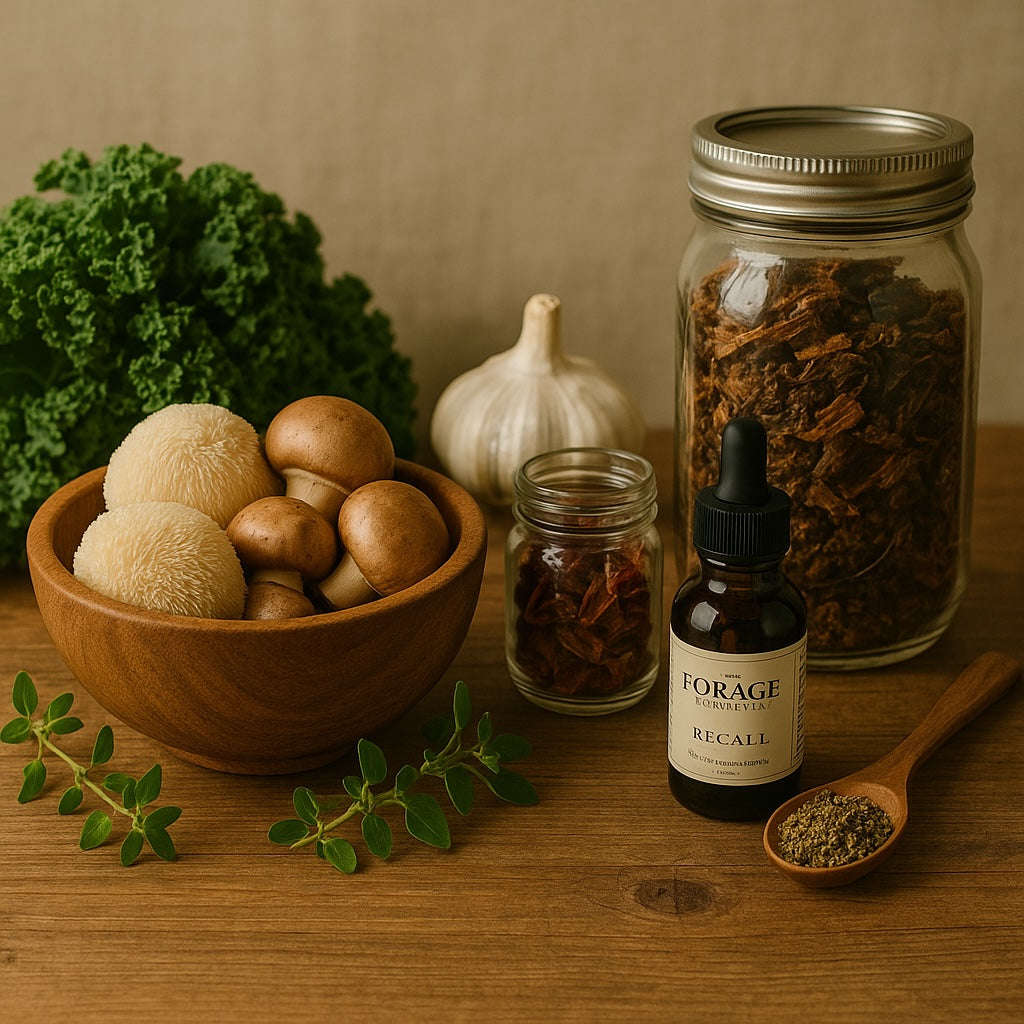
Sun-exposed mushrooms are a simple way to turn an ordinary mushroom into a meaningful source of vitamin D, mainly in the form of vitamin D2. They work especially well as a winter "hack" when sunlight is low and dietary vitamin D really matters. Mushrooms naturally contain a compound called ergosterol in their cell membranes. When ergosterol is hit by UV light from the sun, part of its ring structure opens and converts to pre-vitamin D2, which then rearranges into vitamin D2, also called ergocalciferol. This is very similar to how human skin converts 7-dehydrocholesterol to vitamin D3 in sunlight. Because of this, ordinary button, portobello, shiitake, or oyster mushrooms can go from almost no vitamin D to levels high enough to cover or greatly contribute to a day’s intake.
Here's a practical ancestral method:
- Slice or spread fresh mushrooms out gill‑side up on a tray (more surface area and exposed gills = more conversion).
- Place them in direct midday sun for roughly 2–6 hours, ideally when the sun is fairly high.
- Then cook or store them as usual (vitamin D2 is quite stable to normal cooking and refrigeration).
Even shorter exposures (for example 30–60 minutes in strong sun) can generate substantial vitamin D2; longer exposures within that 2–6 hour window just push levels higher. Dried mushrooms irradiated with sun can become extremely rich in vitamin D2 and can then be used in soups or stews through the winter.
Is vitamin D2 “still beneficial”?
Yes. Vitamin D₂ and D₃ are not identical, but both raise blood 25‑hydroxyvitamin D, the main marker used to assess vitamin D status. D₃ (from sun, animal foods, or most supplements) generally raises and maintains levels a bit more efficiently, but D₂ from mushrooms is still bioactive and contributes meaningfully to total vitamin D. In a winter context—especially for someone eating few animal products—sun‑exposed mushrooms are a very useful, food‑based way to support vitamin D status.
The Winter Healing Practices That Replace Sunlight
Even though sun cannot produce enough UV-B for our skin to produce vitamin D in the winter (especially in higher latitudes), it still helps regulate biology when used properly. Midday light exposure in particular helps stabilize mood, regulates cortisol, prevents winter depression, and maintains circadian rhythm. This can be accomplished by simply walking outside for 10-20 minutes between around 11am - 2pm EST.
In the evening, spending time by a fire for 10-20 minutes near a real flame: lowers stress hormones, deepens rest, improves nutrient absorption, and supports thyroid and metabolism. This is one of the simplest and most biblical aligned winter disciplines. Unlike modern "cold therapy" trends, ancient peoples avoided deep cold, since, staying warm preserves metabolic rate, immune function, and hormonal stability. Warm foods, wool garments, firelight, and broth all reflect this wisdom.
Finally, sleeping before 10pm (EST) ensures melatonin and vitamin D pathways support each other. Early winter sleep is essential for stronger immune resilience.
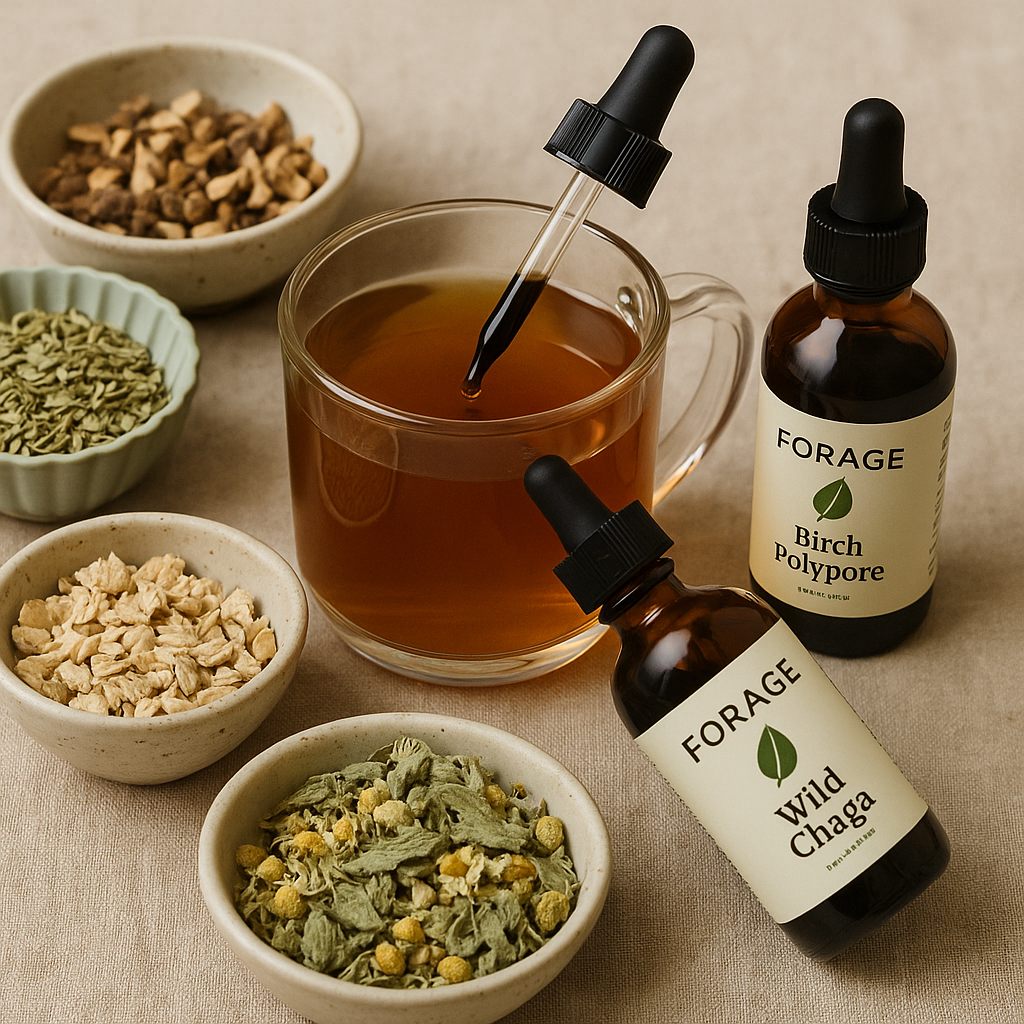
Creation-Medicine Winter Drinks & Herbs
These ancient, ancestral, and Forage-aligned herbs support vitamin D utilization:
-
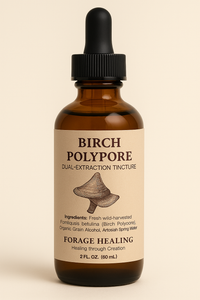
Chaga — immune modulation & mineral support
-
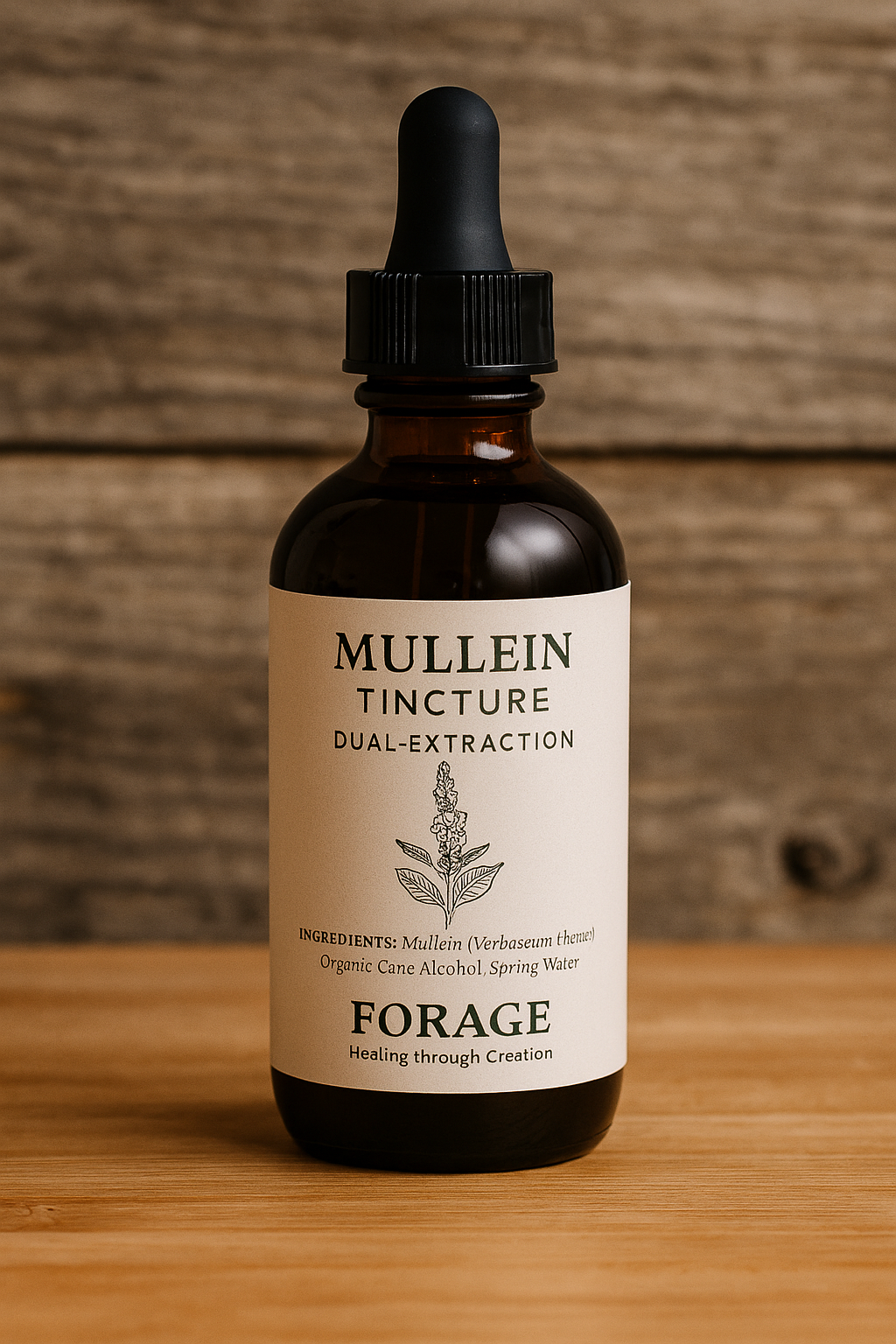
Mullein — lymphatic flow for fat-soluble nutrient transport
-
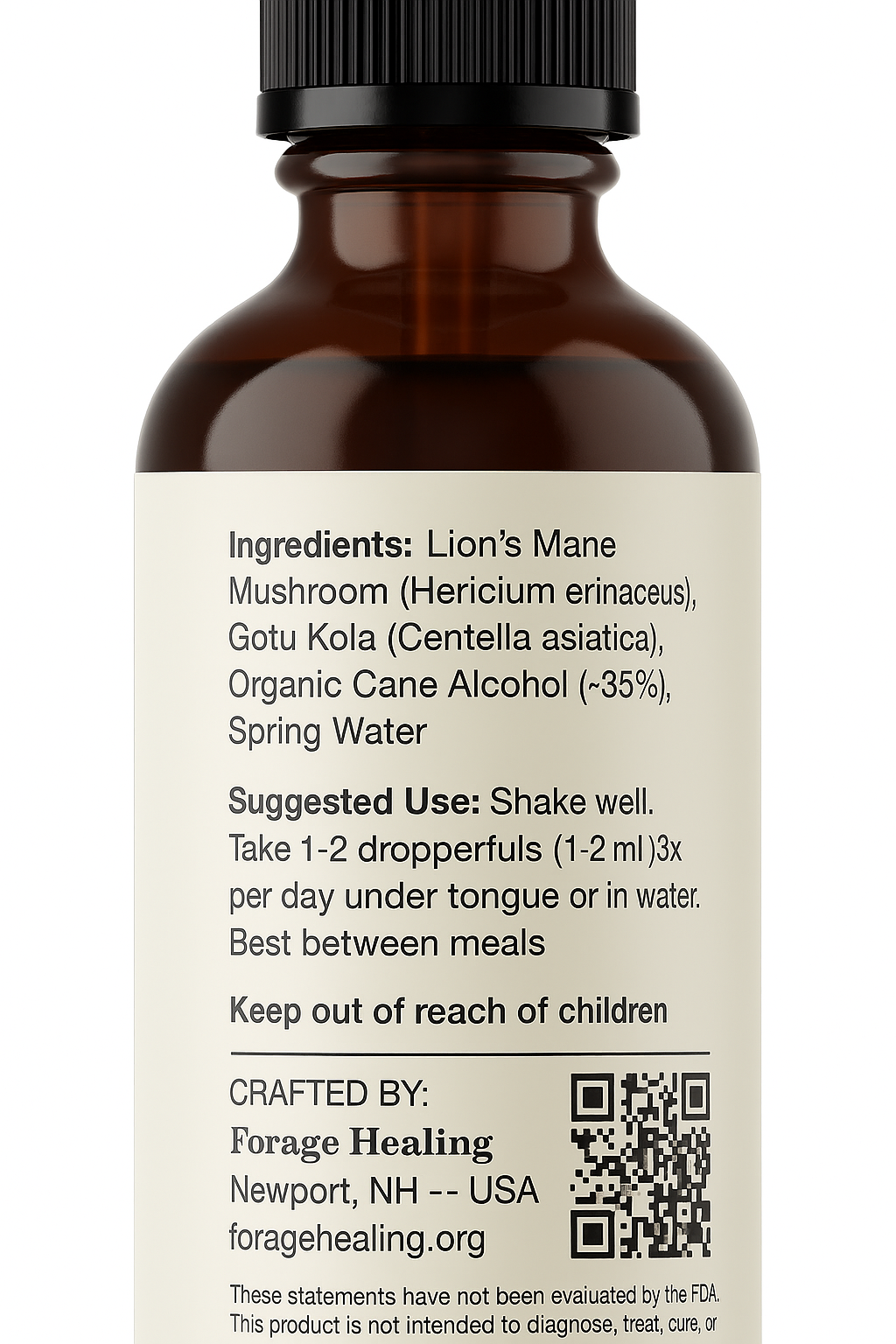
Reishi & Lion’s Mane — nervous system resilience
-
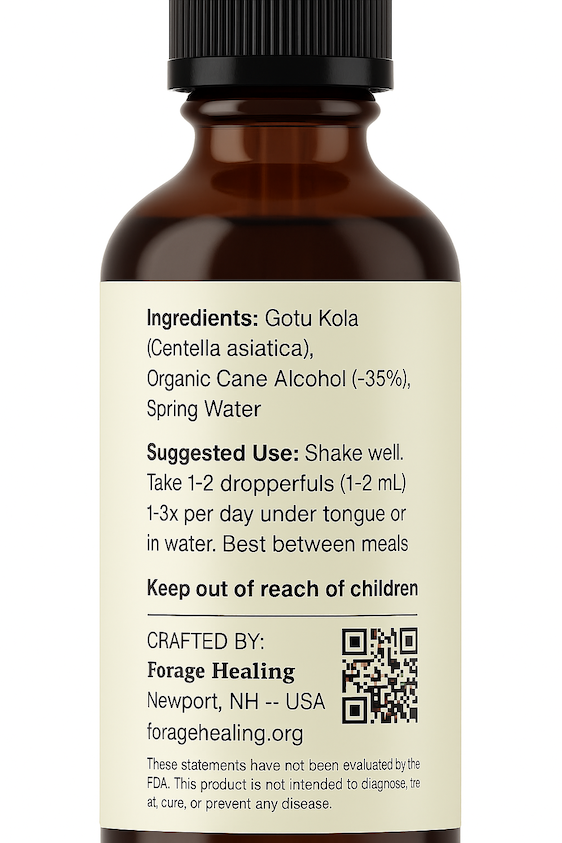
Gotu Kola — circulation and nutrient delivery
-
Olive Leaf — biblical antiviral powerhouse
-
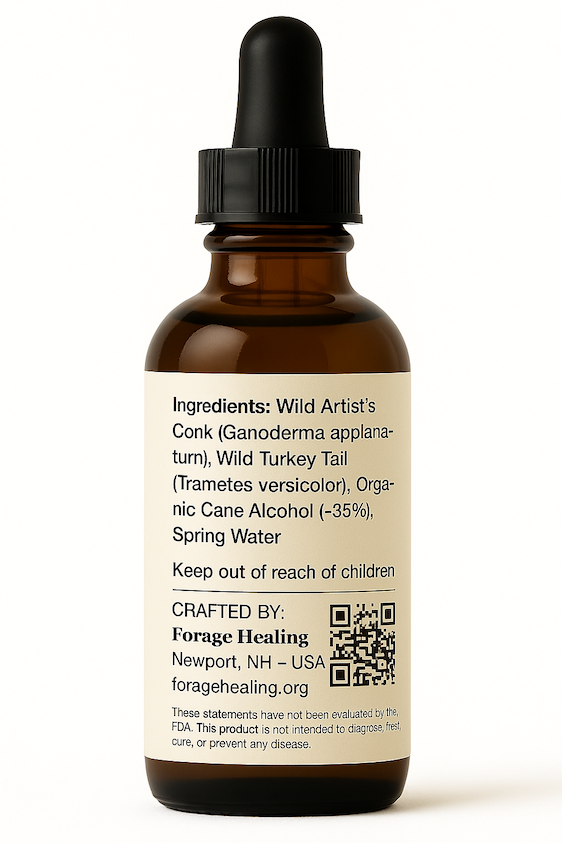
Turkey Tail & Artist’s Conk — gut immunity (where 70% of vitamin D activation begins)
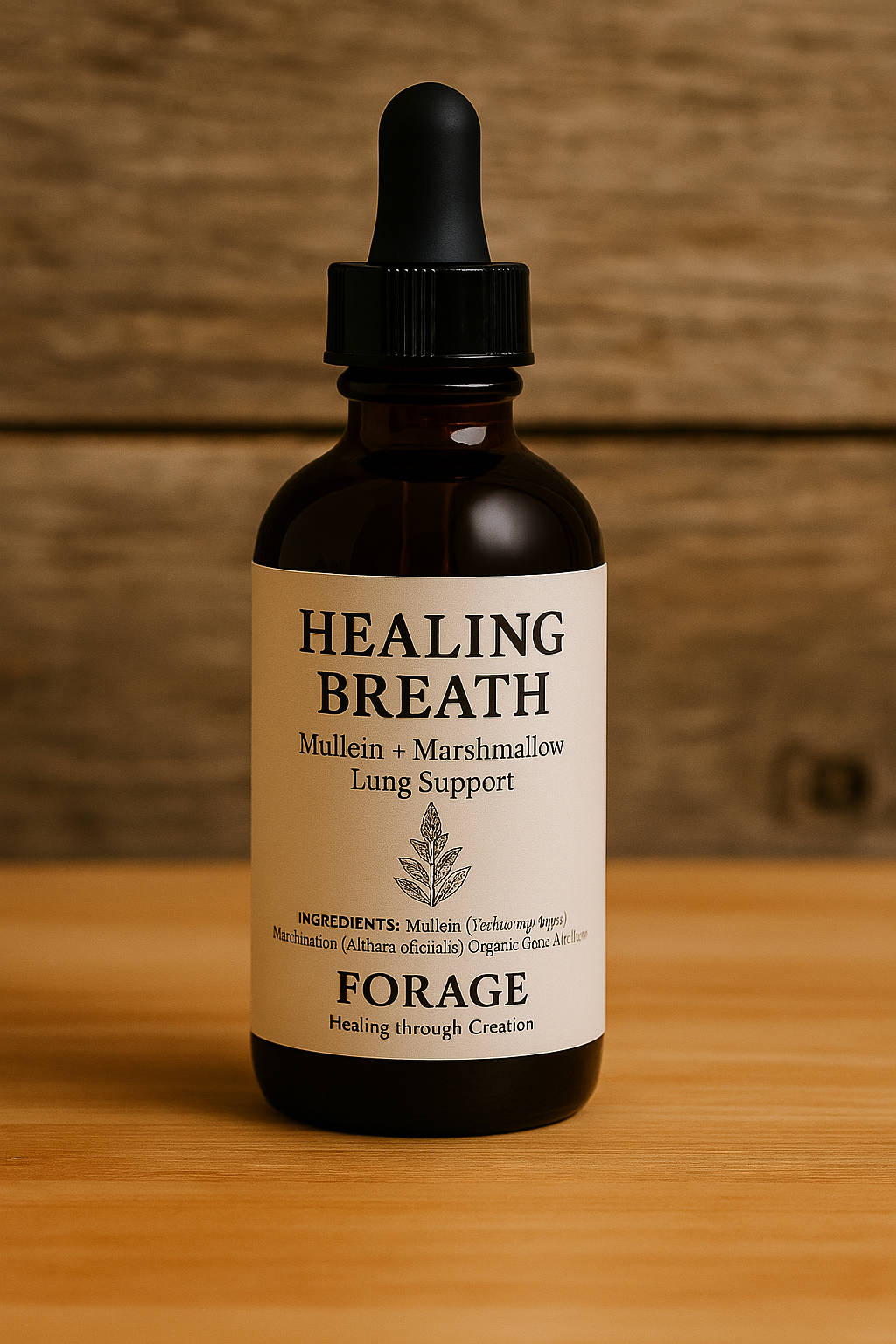
A winter evening tea of chaga + mullein + ginger + marshmallow root is nearly perfect.
Weekly Ancestral Winter Menu
As the sun fades and teh body shifts into its winter rhythms, nourishment becomes less about variety and more about intentional, nutrient-dense simplicity. The same pattern our ancestors followed for thousands of years. In seasons, like winter, when creation offers no vitamin D from sunlight, God's provision comes instead through foods designed to sustain warmth, immunity, and vitality. This weekly ancestral menu reflects the wisdom found in Scripture, traditional diets, and modern nutritional science, by emphasizing clean fish, organ meats, fermented foods, raw dairy, and warming stews that fortify the body when daylight is scarce.
-
Monday — Salmon & Sauerkraut
Vitamin D + probiotics.
- Tuesday — Eggs & Sun-Exposed Mushrooms
-
Wednesday — Liver Day
Deep nourishment + blood-building nutrients.
- Thursday — Raw Dairy + Sardines
- Friday — Mackerel & Root Vegetables
-
Sabbath — Cod Liver + Slow Stew + Firelight
A day for warmth, rest, Scripture, and deep replenishment.
-
Sunday — Lamb Feast with Olive Oil & Spices
A biblical meal rich in fat-soluble nutrients.
Winter teaches reliance. When sunlight fades, God’s design pushes us toward:
-
community
- firelight
- nourishing foods
- rest
- faith
Psalm 84:11 reminds us:
“For the Lord God is a sun and shield.”
Even when the physical sun gives no vitamin D, God sustains His people through wisdom and creation-based provision. This is the heart of winter wellness — both physically and spiritually.
Modern health culture treats winter as a problem.
Ancient peoples — and Scripture — saw it as a season with purpose.
By embracing:
- ancestral foods
- biblical dietary wisdom
- herbal creation medicine
- winter fire-based living
- natural rhythms
…we reclaim a way of being that strengthens body, spirit, and community.
This is Forage Healing at its core: Healing Through Creation™
References
-
Mitochondrial Repair: https://www.britannica.com/science/adenosine-triphosphate
-
Circadian rhythms: https://academic.oup.com/nutritionreviews/article/78/Supplement_3/91/6012430?login=false
-
Melatonin: https://academic.oup.com/edrv/article/39/6/990/5094958?login=false
-
Avoiding Blood: https://foragehealing.org/blogs/forageu/is-organic-enough-the-hidden-science-behind-blood-meat-safety-and-biblical-wisdom
-
National Institutes of Health (NIH). “Vitamin D Fact Sheet for Health Professionals.” Office of Dietary Supplements. https://ods.od.nih.gov/factsheets/VitaminD-HealthProfessional/
-
National Institutes of Health (NIH). “Vitamin A Fact Sheet for Health Professionals.” Office of Dietary Supplements. https://ods.od.nih.gov/factsheets/VitaminA-HealthProfessional/
-
Ultraviolet flashes can create vitamin D-enriched mushrooms: https://www.psu.edu/news/research/story/ultraviolet-flashes-can-create-vitamin-d-enriched-mushrooms
-
An Evaluation of the vitamin D3 Content in Fish: Is the Vitamin D Content Adequate to Satisfy the Dietary Requirement for Vitamin D: https://pmc.ncbi.nlm.nih.gov/articles/PMC2698592/
-
Aranow, C. “Vitamin D and the Immune System.” Journal of Investigative Medicine 59, no. 6 (2011): 881–886. https://www.ncbi.nlm.nih.gov/pmc/articles/PMC3166406/
-
Fusaro, M. et al. “Vitamin K2 and Bone/Vascular Interactions.” Nutrients 9, no. 8 (2017): 905. https://www.ncbi.nlm.nih.gov/pmc/articles/PMC5494092/
-
O'Byrne, S.M., and Blaner, W.S. “Retinoid Metabolism and Liver Stores.” Annual Review of Nutrition 23 (2003): 263–284. https://pubmed.ncbi.nlm.nih.gov/11817964/
-
Fallon Morell, S., and Enig, M.G. “Cod Liver Oil: A Traditional Source of Vitamins A and D.” Weston A. Price Foundation. https://www.westonaprice.org/health-topics/cod-liver-oil/
-
Zerai, B. et al. “Microbial Contamination Risks in Meat Containing Blood.” Journal of Food Protection 73, no. 12 (2010): 2123–2129. https://pubmed.ncbi.nlm.nih.gov/21219731/
-
Reif, D.W. “Ferritin and Heme-Iron Catalyzed Oxidation.” Journal of Agricultural and Food Chemistry 49, no. 11 (2001): 5206–5214. https://pubmed.ncbi.nlm.nih.gov/11052704/
-
Webb, A.R. “Vitamin D Synthesis Under Winter Sun Exposure.” Journal of Photochemistry and Photobiology B 80, no. 2 (2005): 186–189. https://pubmed.ncbi.nlm.nih.gov/18461203/